


The short answer
Most range problems on Wolf, Viking and Thermador units come from a short list of parts: igniters, spark modules, burner valves, oven sensors, elements and control boards. All of them can usually be repaired. A technician confirms the fault on site, explains whether repair makes sense for your unit, and tells you what parts are needed before any work starts.
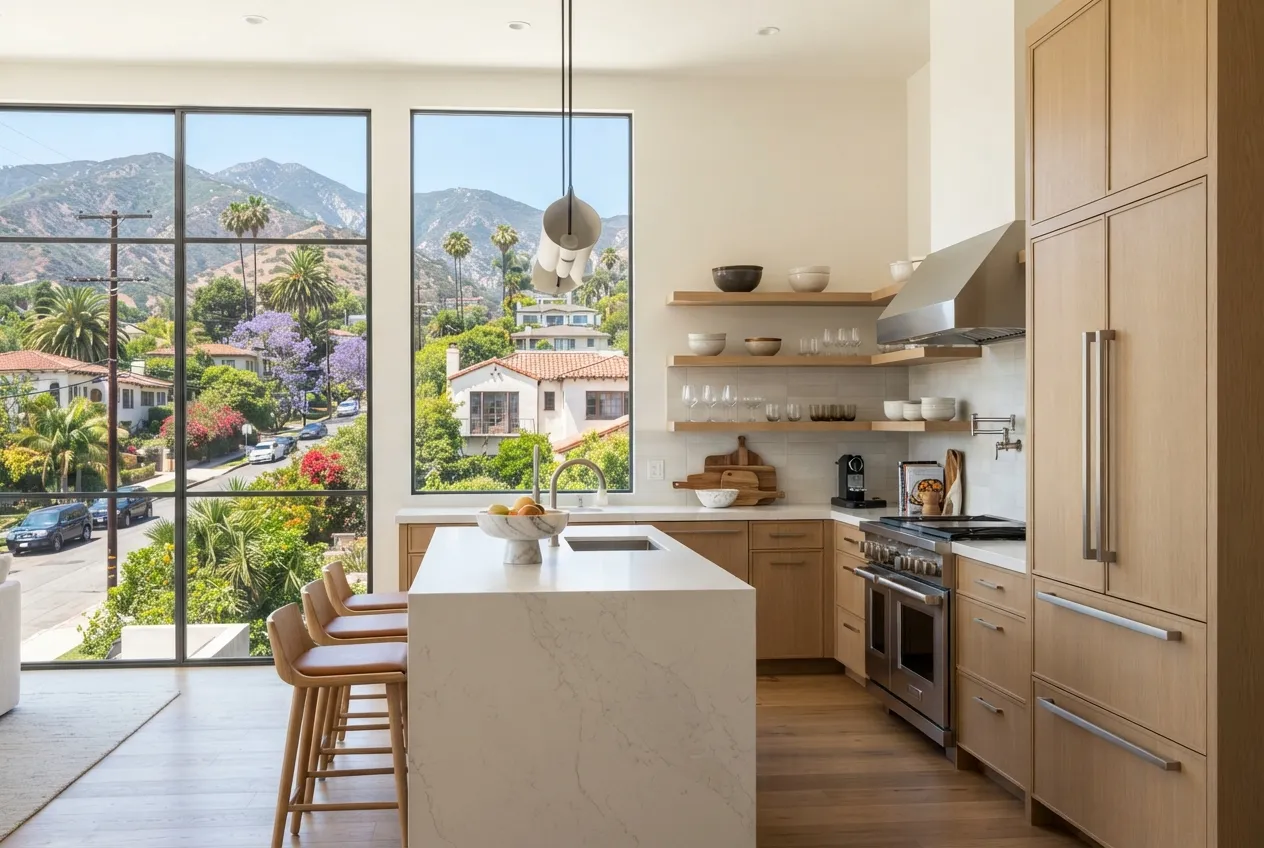
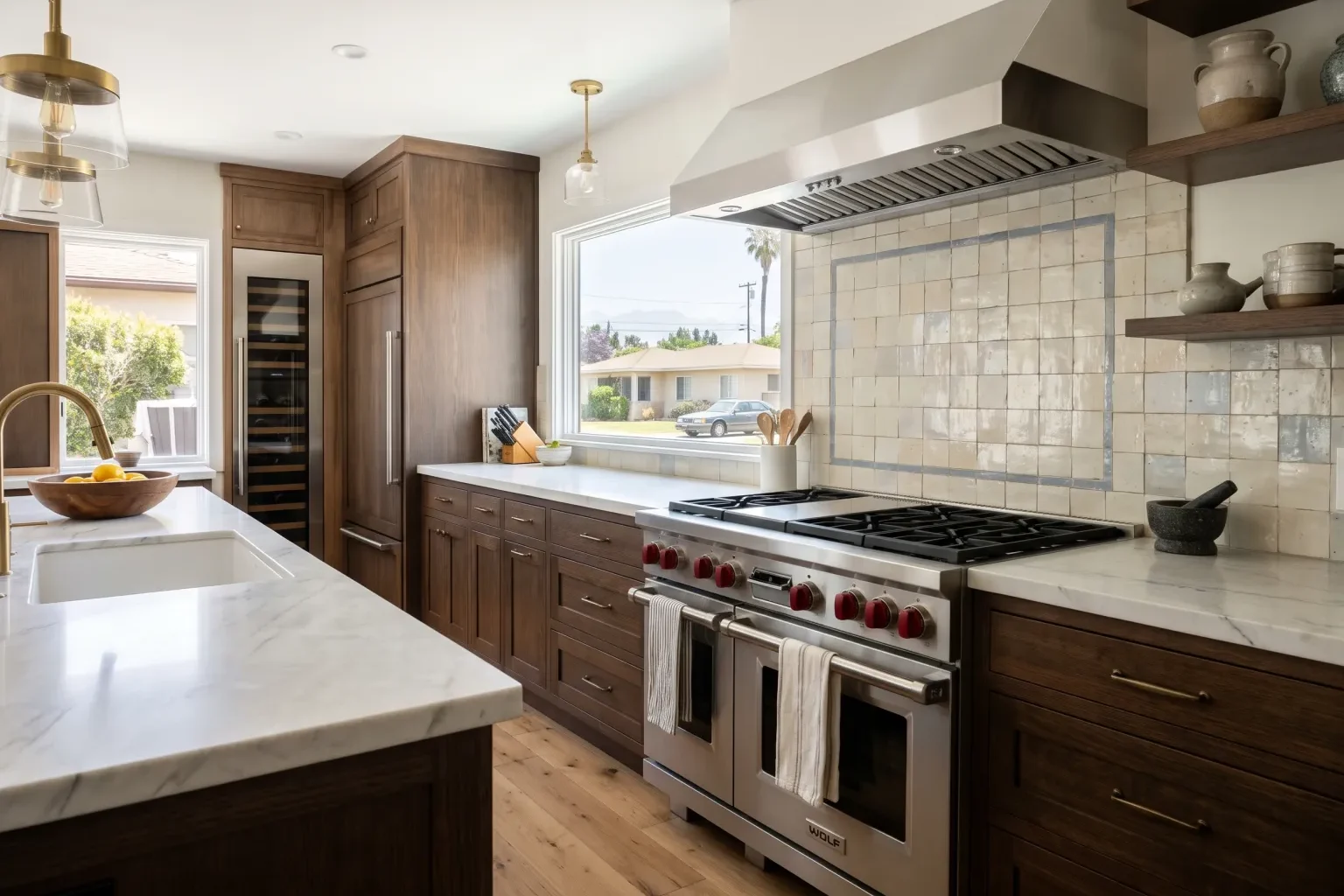
A professional-style range is the center of most high-end kitchens, so when a burner keeps clicking, the oven runs cold, or the display throws a code, cooking stops. Gleadale Appliance services repairs gas, dual-fuel and electric ranges for homeowners in Glendale and nearby cities. We work on premium brands, including Wolf, Viking and Thermador ranges and rangetops. Many of our customers also have Sub-Zero refrigeration in the same kitchen, and we service that too. We are an independent repair company with no affiliation to any manufacturer. Our job is to find the actual fault, explain it in plain terms, and fix it with as little disruption to your kitchen as possible.
Issues we fix
These are the range problems homeowners describe to us most often. If yours isn't listed, tell us what you're seeing, hearing or smelling. That usually points us in the right direction before we arrive.
- Surface burners that won't ignite, or that light only after several tries
- Igniters that keep clicking after the burner is lit, or click when every knob is off
- Weak, yellow or uneven flames, or a burner that won't hold a low simmer
- An oven that won't heat, heats slowly, or never reaches the set temperature
- Uneven baking, with hot spots or one side browning faster than the other
- A convection fan that is noisy or doesn't run
- Error codes, a blank display, or controls that don't respond
- Self-clean cycles that won't start, or a door that stays locked afterward
- Oven doors that won't close fully, sag, or let heat escape around the gasket
- Griddle or grill sections that don't heat evenly
What our technician checks on a built-in or professional-style range
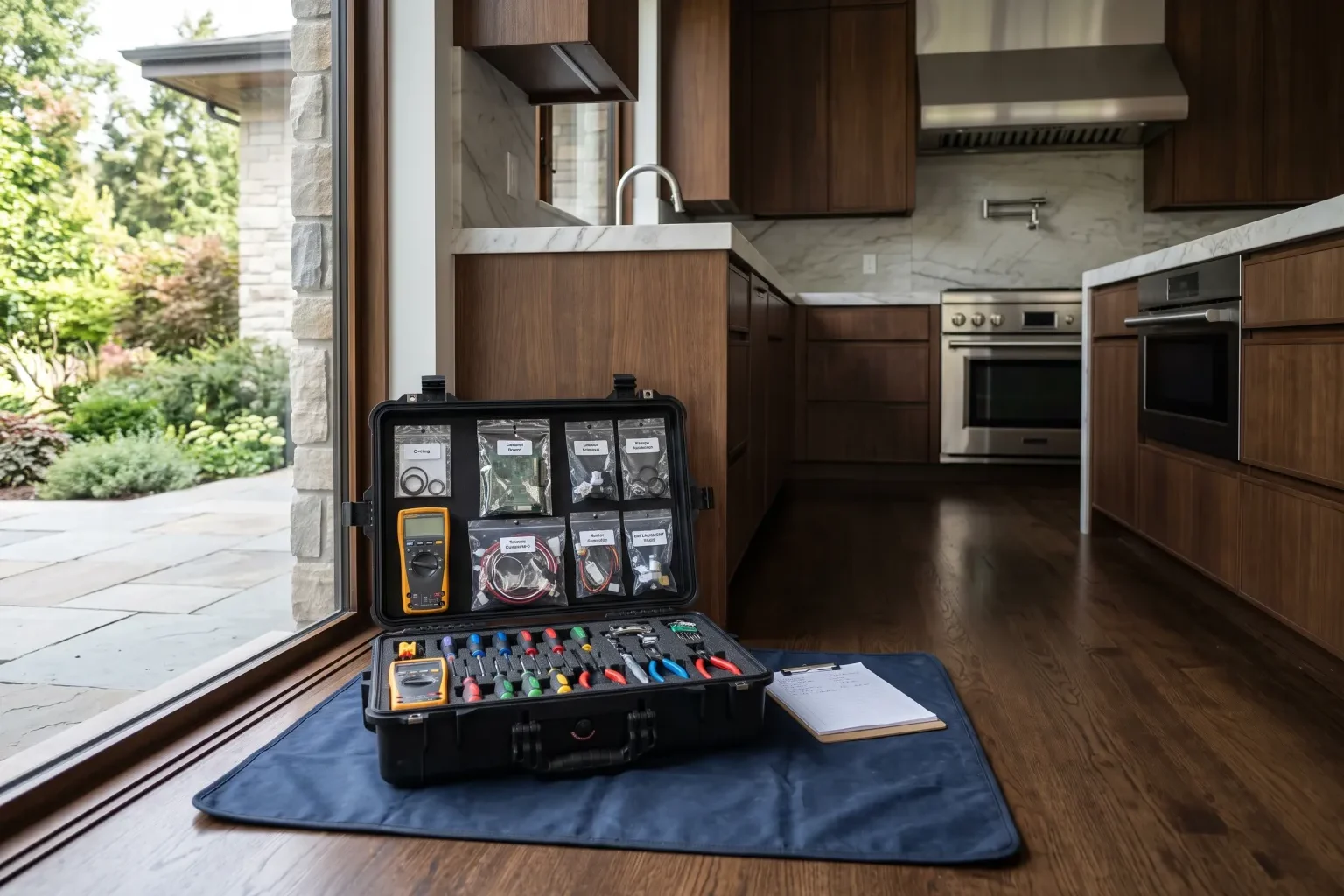
Professional-style ranges have more going on than a standard freestanding unit: multiple burner sizes, sometimes two ovens, griddles, infrared broilers and electronic controls. We start with the symptom and test the parts that cause it rather than guessing and swapping parts.
For the cooktop, that means checking spark igniters, the spark module, ignition switches behind the knobs, burner caps and ports, and the gas valves. On gas ovens, we test the bake and broil igniters, the oven safety valve and the temperature sensor. On electric and dual-fuel ovens, we check the elements, the sensor, the convection fan and motor, relays and the control board. We also look at door hinges, gaskets and the cooling fan, because a failing cooling fan can trigger shutdowns or error codes.
If you smell gas, don't wait for a repair visit. Turn the range off, leave the house, and contact your gas utility or emergency services first. We can come out after the utility says it's safe.
How Wolf, Viking and Thermador ranges differ in what tends to fail
Sub-Zero itself builds refrigeration, not ranges, but its sister brand Wolf is one of the most common ranges we see in kitchens with Sub-Zero refrigerators. On Wolf gas and dual-fuel ranges, ignition is a frequent complaint. Moisture from boil-overs or cleaning can reach the igniters or ignition switches and cause constant clicking. On dual-fuel models, oven elements, temperature sensors and control boards account for many oven calls.
Viking professional ranges often come to us with surface ignition problems and gas oven igniters that have weakened over time. A weak igniter can still glow, but it may not draw enough current to open the gas valve, so the oven heats poorly or not at all. Door hinges and springs on heavy Viking oven doors also wear and can keep the door from sealing.
Thermador ranges use star-shaped burners and an automatic re-ignition system. When a burner relights repeatedly, or clicks without lighting, we usually check the spark module, switches and burner alignment. Thermador's low-simmer function depends on clean burner parts and properly working valves, so buildup or valve wear shows up as an unstable low flame.
These are patterns, not rules. Model, age, gas or electric setup, and how the range has been cleaned all change what we find.
Tell us what your appliance is doing.
Repair or replace a high-end range?
Premium ranges are built with heavy-gauge steel, commercial-style burners and parts that can be replaced individually, so repair is usually the sensible choice. An igniter, sensor, valve or element replacement brings most units back to full function. Replacing the range, by contrast, often means matching a cutout, a hood and surrounding cabinetry.
Replacement is worth considering when the oven cavity or burner box is badly rusted or cracked, when several major components are failing at once, or when a key part is no longer available for an older model. If we think a repair won't hold up, we'll tell you plainly so you can make an informed decision.
What affects the cost of range repair
We don't quote a repair until we've diagnosed it, because similar symptoms can have very different causes. A clicking burner might need only a cleaning and drying, or it might need a new spark module. The main factors are the fault itself, the parts involved, and how much labor it takes to reach them.
Parts for premium brands vary widely. A burner cap or igniter is a different matter from an electronic control board. Access also matters. A range built tightly into custom cabinetry, or one that must be slid out from under a stone countertop and disconnected from gas, takes more time than a unit with easy rear access. We explain all of this before work begins, and you approve the repair first.
How a service visit works
When you contact us, we'll ask for the brand, model number if you have it, and a description of the problem. The model and serial plate is usually behind the kickplate or inside the oven door frame. Having that information lets us anticipate common parts.
At the visit, the technician confirms the symptom, tests the related components, and walks you through what failed and why. You get a clear repair recommendation before any work starts. Many repairs can be finished on the first visit. If a brand-specific part has to be ordered, we schedule a return trip once it arrives. Before leaving, we test the range under normal operation, check burners and oven temperature, and show you anything that helps prevent a repeat problem, such as keeping igniters dry after cleaning.
Range Repair by city
-
 Range Repair in Burbank
Local service & repairs
-
 Range Repair in La Cañada Flintridge
Local service & repairs
-
 Range Repair in South Pasadena
Local service & repairs
-
 Range Repair in West Hollywood
Local service & repairs
-
 Range Repair in Pasadena
Local service & repairs
-
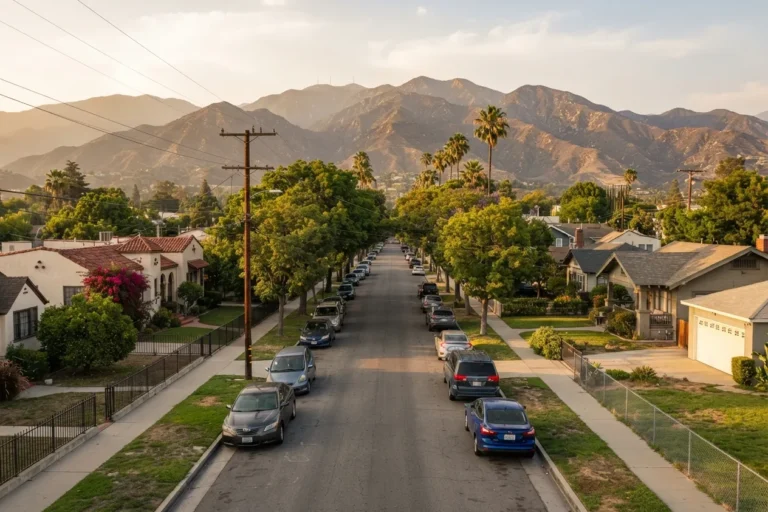 Range Repair in Alhambra
Local service & repairs
-
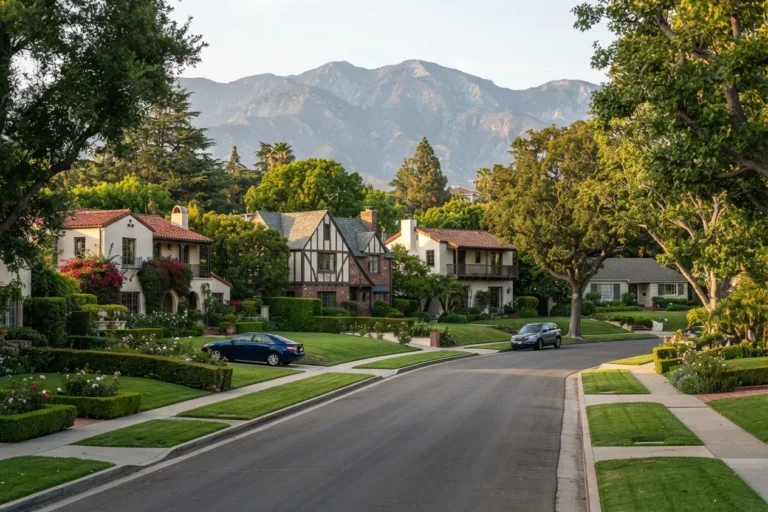 Range Repair in San Marino
Local service & repairs
-
 Range Repair in Beverly Hills
Local service & repairs
-
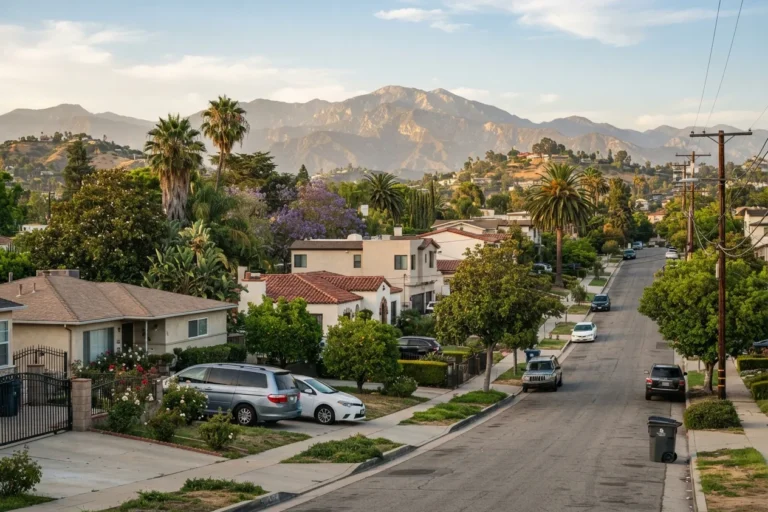 Range Repair in Monterey Park
Local service & repairs
-
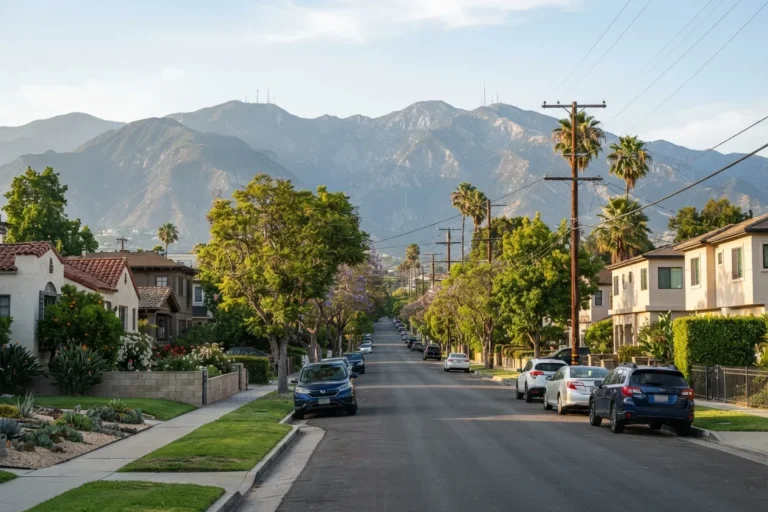 Range Repair in San Gabriel
Local service & repairs
-
 Range Repair in Vernon
Local service & repairs
-
 Range Repair in Maywood
Local service & repairs